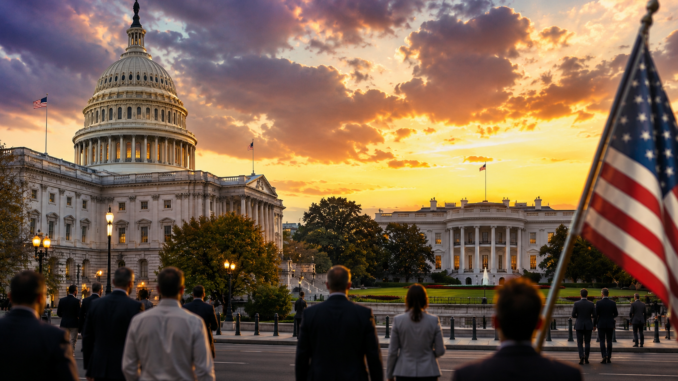
Breaking US Political News: Latest Updates on Congress, White House Decisions, and National Policy Shifts
Introduction
Breaking US political news continues to dominate headlines in 2026 as Congress debates major legislation, the White House rolls out new policies, and national priorities shift in response to economic and global pressures. From budget negotiations and healthcare reforms to foreign policy decisions and regulatory changes, the current political environment reflects both urgency and complexity.
For voters, businesses, and global observers, understanding these developments is essential. This article provides a comprehensive look at the latest updates in US politics, focusing on Congress, White House decisions, and the broader policy shifts shaping the nation.
Latest Updates from Congress
Budget Negotiations and Government Spending
One of the most critical issues in Congress is the federal budget. Lawmakers are engaged in ongoing negotiations over spending priorities, balancing the need for economic growth with concerns about national debt.
Key areas of debate include:
- Defense spending and national security funding
- Infrastructure investments, including transportation and energy
- Social programs such as education and healthcare
These budget discussions are not only about numbers—they reflect deeper ideological differences about the role of government in the economy.
Legislative Gridlock and Bipartisan Efforts
Congress continues to face challenges in passing major legislation due to political divisions. However, there are still areas where bipartisan cooperation is possible.
Recent efforts have focused on:
- Technology regulation and data privacy laws
- Supply chain resilience and domestic manufacturing
- Public safety and crime prevention initiatives
While progress is often slow, these collaborations demonstrate that compromise remains achievable under the right conditions.
Key Bills Under Consideration
Several significant bills are currently under discussion in Congress, covering a range of national priorities:
- Healthcare affordability and insurance reform
- Climate policy and clean energy investments
- Tax policy changes affecting individuals and corporations
The outcome of these legislative efforts will have lasting impacts on the US economy and society.
White House Decisions and Executive Actions
Economic Policies and Inflation Management
The White House is actively implementing policies to address inflation and economic uncertainty. These measures aim to stabilize prices while supporting long-term growth.
Recent actions include:
- Adjustments to interest rate strategies in coordination with economic institutions
- Incentives for domestic manufacturing and job creation
- Efforts to lower consumer costs, particularly in energy and healthcare
These decisions are closely watched, as they directly affect households and businesses across the country.
Healthcare Initiatives
Healthcare remains a top priority for the administration. The White House has introduced initiatives designed to improve access and affordability.
Key initiatives focus on:
- Reducing prescription drug prices
- Expanding healthcare coverage options
- Strengthening preventive care programs
These policies are intended to address long-standing challenges in the US healthcare system.
Climate and Environmental Policies
The administration is also prioritizing climate action, with new policies aimed at reducing emissions and promoting sustainable energy.
Recent developments include:
- Investments in renewable energy projects
- Regulations targeting carbon emissions
- Support for green technology innovation
These efforts reflect growing public demand for environmental responsibility and long-term sustainability.
Foreign Policy and National Security
The White House continues to navigate complex international relationships. Recent foreign policy decisions focus on maintaining stability while protecting US interests.
Key areas include:
- Strengthening alliances with partner nations
- Addressing geopolitical tensions
- Expanding trade and economic partnerships
National security remains a central concern, influencing both domestic and international policies.
National Policy Shifts in 2026
Economic Transformation and Workforce Development
The US economy is undergoing significant changes, driven by technology and globalization. Policymakers are focusing on preparing the workforce for new opportunities.
Key strategies include:
- Investment in education and job training programs
- Support for emerging industries such as artificial intelligence and clean energy
- Encouraging innovation and entrepreneurship
These efforts aim to ensure that the US remains competitive in a rapidly evolving global economy.
Digital Regulation and Technology Policy
Technology policy is becoming increasingly important as digital platforms play a larger role in society. Lawmakers and regulators are working to address key challenges.
Major issues include:
- Data privacy and consumer protection
- Regulation of social media platforms
- Artificial intelligence governance
Balancing innovation with regulation is a critical challenge for policymakers.
Social Policy and Public Welfare
Social policies are also evolving in response to changing demographics and societal needs. Issues such as housing affordability, education, and public health are at the forefront.
Recent policy discussions focus on:
- Expanding access to affordable housing
- Improving public education systems
- Strengthening social safety nets
These initiatives aim to improve quality of life for all Americans.
Energy Independence and Sustainability
Energy policy continues to shift toward sustainability and independence. The US is investing in diverse energy sources to reduce reliance on imports and enhance security.
Key priorities include:
- Renewable energy development
- Energy efficiency improvements
- Modernization of infrastructure
These policies have both economic and environmental implications.
Political Trends Influencing Policy Decisions
Rising Influence of Public Opinion
Public opinion is playing an increasingly important role in shaping policy decisions. Lawmakers are responding to voter concerns more directly, particularly on issues such as the economy and healthcare.
The Role of Media and Information
Media coverage and digital platforms significantly influence political narratives. While they provide valuable information, they also contribute to polarization and misinformation.
Increased Focus on Accountability
Voters are demanding greater transparency and accountability from political leaders. This trend is driving efforts to improve governance and ethical standards.
Shifts in Party Strategies
Political parties are adapting their strategies to appeal to changing voter demographics. This includes focusing on younger voters and independent groups.
Challenges Facing US Politics
Despite ongoing efforts, several challenges remain:
- Persistent political polarization
- Economic uncertainty and inflation pressures
- Global geopolitical tensions
- Rapid technological changes requiring new regulations
Addressing these challenges will require cooperation, innovation, and strong leadership.
What It Means for the Future
Economic Outlook
The success of current policies will shape the future of the US economy. Effective strategies could lead to growth and stability, while missteps may create long-term challenges.
Governance and Political Stability
The ability of Congress and the White House to work together will determine the effectiveness of governance. Bipartisan cooperation will be key to addressing major issues.
Global Leadership
US political decisions will continue to influence global dynamics. Strong leadership and strategic partnerships will be essential for maintaining international influence.
Social Progress
Policy changes in areas such as healthcare, education, and housing will impact social progress and quality of life for millions of Americans.
Conclusion
Breaking US political news in 2026 highlights a nation at a crossroads. With Congress debating critical legislation, the White House implementing key policies, and national priorities shifting, the political landscape is both dynamic and consequential.
Understanding these developments is essential for anyone seeking to stay informed about the future of the United States. As policymakers navigate complex challenges, the focus must remain on creating effective, sustainable solutions that benefit the nation as a whole.
The decisions made today will not only shape upcoming elections but also define the direction of the country for years to come. By staying engaged and informed, citizens can play an active role in shaping a stronger and more resilient future.